

Is Windsor Castle Worth Visiting? An Honest Assessment
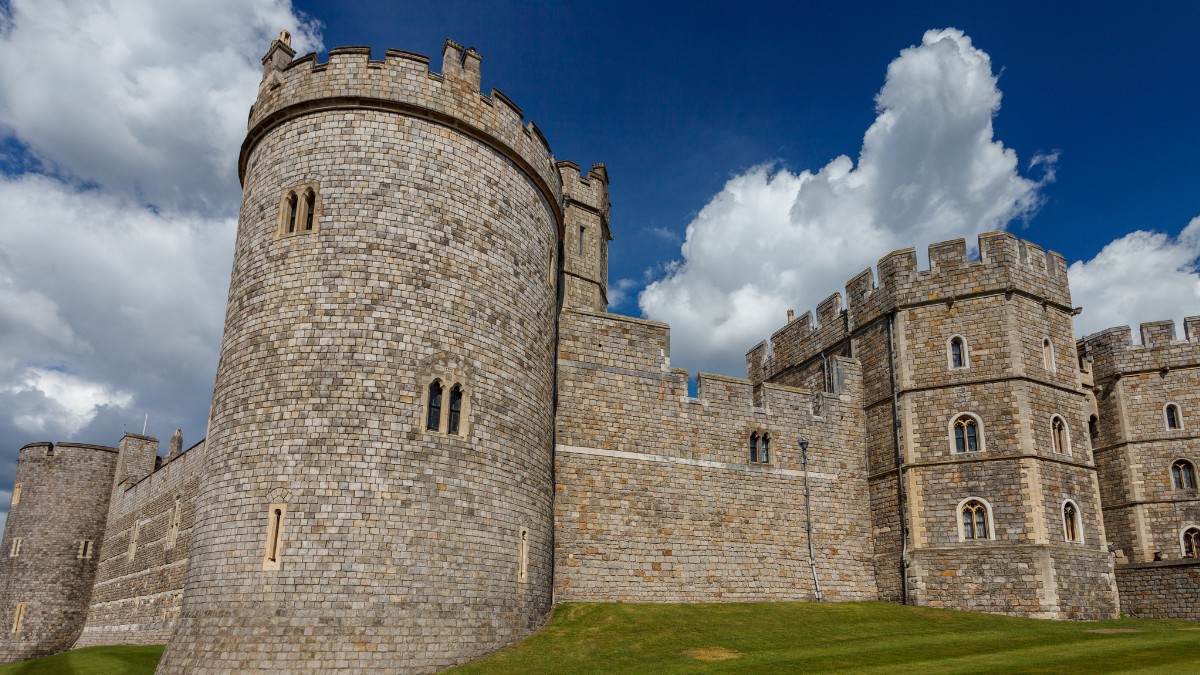
Yes — for most visitors to London, Windsor Castle is worth visiting. The State Apartments contain one of the finest collections of European art you can see anywhere, in rooms still used by the Royal Family today. St. George’s Chapel is among the greatest Gothic buildings in England. The experience of visiting a genuinely occupied royal palace rather than a preserved historic museum gives Windsor a quality that is difficult to replicate elsewhere. The main limitations are the cost (approximately £32 in advance), the photography ban inside, and the crowds during peak season.
This is not a question that deserves a simple yes or no. Windsor Castle is extraordinary in some respects and frustrating in others. The honest answer depends on what kind of visitor you are, what you want from a heritage site, and how you manage the practical realities of the visit.
What Makes Windsor Castle Genuinely Exceptional
It is a living palace, not a museum. Windsor Castle is not a preserved historic site in the way that many heritage attractions are. The State Apartments are still used for state dinners, investitures, and diplomatic receptions. The Royal Family spends weekends here. The King’s personal standard flies from the Round Tower when he is in residence. Walking through these rooms carries a weight that you simply do not feel in a stately home that has been handed over entirely to tourism. Visitors who have been to other grand European royal palaces frequently remark that Windsor has a different atmosphere — more inhabited, more real.
The Royal Collection is world-class. The art displayed in the State Apartments is among the finest assembled anywhere in Europe. The collection includes paintings by Van Dyck, Rubens, Holbein, Rembrandt, Canaletto, and Dürer. The Garter Throne Room and the Waterloo Chamber contain portrait collections of remarkable historical significance. These are not reproductions — they are the originals, displayed in the rooms for which they were originally acquired or commissioned. For anyone with even a passing interest in European art history, the State Apartments alone justify the visit.
St. George’s Chapel is exceptional. Built between 1475 and 1528, St. George’s Chapel is widely regarded as one of the supreme examples of Perpendicular Gothic architecture in England. The fan vaulting, the carved wooden stalls of the Knights and Ladies of the Garter, and the sheer scale of the nave are genuinely impressive even for visitors with no particular interest in ecclesiastical architecture. The chapel is also the burial place of Queen Elizabeth II, Prince Philip, King George VI, Henry VIII, and eight other monarchs. For visitors with any connection to recent royal history, this carries considerable emotional resonance.
Queen Mary’s Dolls’ House is one of the castle’s best surprises. First-time visitors frequently underestimate this. Completed in 1924 to a design by Sir Edwin Lutyens with contributions from over 1,500 craftspeople, it is a 1:12-scale replica of an Edwardian royal residence with working electricity, running water, and a fully stocked wine cellar. Adults who expect to glance at it and move on almost always end up staying longer than planned. It is genuinely unlike anything else in a heritage setting.
The town of Windsor adds to the experience. Windsor is not just a backdrop for the castle — it is a charming market town with independent shops, historic pubs, and the River Thames. Adding a walk through Windsor town, across the bridge to Eton, or along the Long Walk in Windsor Great Park turns a 2-hour castle visit into a full and satisfying day.
Yes, for most visitors. The State Apartments contain world-class art still displayed in rooms used by the Royal Family. St. George’s Chapel is one of England’s finest Gothic buildings and the burial place of Queen Elizabeth II. The experience of visiting a genuinely occupied palace — rather than a preserved museum — gives Windsor a distinctive quality. The main limitations are ticket cost (~£32), the photography ban inside, and crowds at peak times.
What Are the Limitations?
The photography ban. You cannot take photographs inside the State Apartments, the Semi-State Rooms, or St. George’s Chapel. This is probably the single most discussed limitation in visitor reviews, and it is worth being honest about: it affects some visitors’ enjoyment significantly. If documenting your visit visually is important to you, outdoor photography in the precincts and grounds is permitted and there are excellent spots for photographs.
The ticket price. At approximately £32 in advance for an adult, Windsor Castle is not cheap. For a family of four, the cost is upwards of £80. Whether this represents good value depends on your interest level and how you compare it to alternative uses of your time. For visitors with a genuine interest in royal history, British heritage, or European art, the price is broadly proportionate to the experience. For casual tourists checking boxes, it may feel steep.
Crowds in peak season. July and August in particular can make the State Apartments very busy — tight spaces filled with large tour groups using audio guides creates bottlenecks in popular rooms. Morning slots are the busiest; afternoon visits are generally quieter. If crowds bother you, visit in winter or on a weekday afternoon.
You cannot access most of the castle. The visitor route covers the State Apartments, St. George’s Chapel, Queen Mary’s Dolls’ House, and the precincts — which is substantial. But Windsor Castle has approximately 1,000 rooms, and you are seeing a carefully managed subset of them. There are no royal kitchens, no private apartments, and no access to the Round Tower. Some visitors find this limiting; others feel the accessible areas are more than enough.
It is not for everyone on a short trip. If you have only 2–3 days in London and a long list of central London attractions, Windsor requires a conscious decision to spend half a day travelling out of the city and back. On a first London visit, the city itself — the Tower of London, the British Museum, Westminster Abbey — may legitimately take priority. Windsor is better suited to visitors with at least 4–5 days, or those for whom royal history is a specific interest.
Who Will Get the Most Out of Windsor Castle
Windsor Castle rewards visitors who come with genuine curiosity about what they are seeing. The audio guide is excellent, and the State Apartments are rich with stories and historical context if you engage with them.
Best suited for: Royal history enthusiasts, art lovers, anyone who has watched The Crown or has an interest in the British monarchy, families with children who enjoy the audio guide and the Dolls’ House, and visitors combining the castle with Windsor town or Windsor Great Park for a full day out.
Worth managing expectations for: Visitors who primarily want to take photographs of the interiors (the ban will frustrate you), casual tourists without a specific interest in royal or British history, and visitors with only 1–2 days in London for whom the travel time competes with central London priorities.
How Does Windsor Compare to Other Royal Sites?
| Attraction | Individual Price | Photography Inside | Open Year-Round | Best For |
|---|---|---|---|---|
| Windsor Castle | ~£32 | No | Thurs–Mon | Royal history, art, chapel |
| Tower of London | ~£35 | Yes | Daily | Medieval history, Crown Jewels |
| Buckingham Palace | ~£35 (summer only) | No | July–Sept only | Formal grandeur, State Rooms |
| Hampton Court Palace | ~£28 | Yes | Daily | Tudor history, gardens |
| Kensington Palace | ~£20 | Yes | Daily | Victorian and modern royal history |
Windsor and the Tower of London are broadly comparable in terms of historical depth and experience quality. Windsor edges ahead for royal and art history; the Tower for medieval atmosphere and the Crown Jewels. Both are consistently among the most highly reviewed heritage sites in England.
The Honest Verdict
Windsor Castle is worth visiting for the majority of people reading this guide — which is to say, people interested enough in the subject to be researching it beforehand. The combination of world-class art, genuine Gothic architecture, and the visceral sense of a palace still in active use is rare. Very few heritage sites anywhere offer this combination at this quality level.
It is not for everyone, and it is not free. But for anyone with a meaningful interest in British history, the Royal Family, or European art, it is among the strongest heritage experiences available in the United Kingdom.
Frequently Asked Questions
Is Windsor Castle better than Buckingham Palace?
They offer fundamentally different experiences. Windsor has greater historical depth, more to see, and a more intimate atmosphere. Buckingham Palace is more formally spectacular but only open in summer. For most visitors, Windsor is the more rewarding visit. For a detailed comparison, see our Windsor Castle vs Buckingham Palace guide.
Is Windsor Castle worth it for non-royalists?
Yes, with the caveat that your enjoyment will depend more on the art and the architecture than on the royal connections. The State Apartments contain European masterpieces by Holbein, Van Dyck, Rubens, and Rembrandt. St. George’s Chapel is exceptional purely as a building. Both stand independently of royal enthusiasm.
Is Windsor Castle worth it for children?
Yes. The Dolls’ House is a genuine hit with children and adults alike. The audio guide has a dedicated children’s version narrated by Scorch the Dragon. During school holidays, free craft activities and trails are available in the castle. The castle grounds are well-suited to families.
Is it worth visiting Windsor Castle in winter?
Winter is an excellent time to visit. The Semi-State Rooms (closed in summer) are added to the visitor route at no extra charge, extending the experience. The castle is quieter and afternoon slots in particular have very short queues.
How does Windsor Castle compare to Versailles?
Different in character. Versailles is larger and more overtly spectacular in its scale and gilding. Windsor is more layered — more historically complex, more intimately connected to living royal heritage, and considerably less commercialised around the site. Many visitors who have done both prefer Windsor for the depth of the experience.
